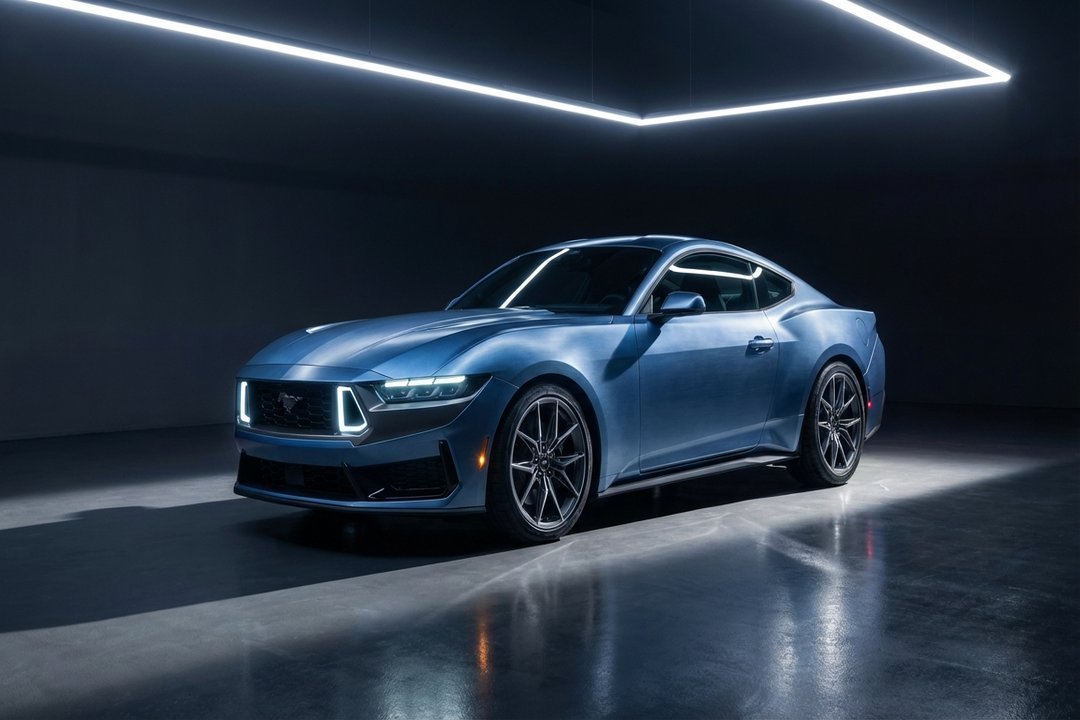
Ford’s seventh-generation Mustang arrived recently, and the 2026 model year is shaping up as a refinement phase—building on the S650 platform with incremental updates, expanded availability of popular tech, and continued focus on two very different buyer profiles: everyday street drivers and track-day enthusiasts. For shoppers in the United States, the Mustang remains a uniquely American icon with a broad trim walk, widely available dealer inventory, and a strong aftermarket ecosystem that continues to influence buying decisions in the USA market.
What’s new and what to expect for 2026
As of the latest public information, Ford has not positioned 2026 as a clean-sheet redesign. Instead, the expectation is for ongoing improvements to packaging, option availability, and technology—typical of a mid-cycle cadence early in a generation. That means the core formula should carry forward: a choice of turbocharged EcoBoost or V8 power, a modernized cabin with a dual-screen layout, and the return of factory track-capable variants.
In practical terms, “latest updates” for a model like this often arrive as equipment reshuffles, new paint/wheel choices, software revisions for infotainment and driver assistance features, and continued calibration work for powertrain and chassis systems. Buyers cross-shopping 2025 and 2026 should watch for finalized trim guides, ordering guides, and any changes to standard vs. optional equipment once Ford releases official specifications closer to on-sale timing.
Powertrains: EcoBoost efficiency or V8 character
The modern Mustang lineup continues to be defined by two mainstream powertrain directions. The turbocharged 2.3-liter EcoBoost serves drivers who prioritize everyday usability, fuel economy, and lower entry pricing, while still delivering the rear-wheel-drive balance and tuning that make a Mustang feel like a Mustang. For many commuters and first-time sports coupe buyers, EcoBoost models deliver the right mix of performance and livability for daily driving in the USA.

On the other end of the spectrum, the 5.0-liter V8 in the Mustang GT remains the emotional center of the range. V8 sound, linear response, and strong top-end pull continue to be key reasons buyers choose a Mustang over smaller-displacement alternatives. In the current generation, Ford has also leaned into driver-adjustable performance features, allowing owners to tailor throttle response, steering weight, and exhaust character to match their roads and preferences.
Transmission availability remains a critical talking point for enthusiasts. Depending on trim and configuration, buyers should expect continued availability of an automatic transmission aimed at broad usability, and a manual option where offered for drivers who want maximum engagement. For 2026, watch for any packaging changes that might expand or limit manual availability by trim—an area that can shift year to year across the industry.
Key features that define the current-generation Mustang
Dual-screen cockpit and modern connectivity
A major highlight of the newest Mustang interior is its integrated digital display setup, combining a large digital instrument cluster with a central infotainment screen. This layout supports multiple gauge themes and performance-oriented readouts, and it brings the Mustang in line with buyer expectations for contemporary tech. In everyday use, the system is designed to make navigation, media, and vehicle settings easier to access, while the driver cluster can emphasize performance data when you switch into sportier drive modes.
In the USA market, smartphone integration and connected services are often non-negotiable features. Expect the 2026 model to continue offering mainstream connectivity options, over-the-air style software updates where supported, and app-based features that help owners manage vehicle status and convenience functions. These upgrades matter because they tend to improve the ownership experience over time, not just on day one.

Drive modes and configurable performance settings
Modern Mustangs are built around selectable drive modes that adjust steering, throttle mapping, transmission behavior (where applicable), stability control thresholds, and exhaust settings on certain trims. This flexibility is a core “key feature” because it effectively gives one car multiple personalities: calm and comfortable for commuting, sharper and more responsive for back roads, and more permissive for track settings when conditions allow.
For drivers who enjoy learning the car, these systems also provide a structured way to explore performance progressively. Instead of a single fixed calibration, owners can tailor the experience based on tires, weather, and skill level—especially valuable in regions of the United States that see large seasonal swings.
Chassis, braking, and track-ready options
Beyond power, the Mustang’s appeal depends on chassis tuning and braking confidence. The current platform supports a range of suspension setups, from comfort-oriented street calibrations to more aggressive performance packages that increase grip and body control. Ford’s performance options typically bundle upgraded dampers, larger brakes, stickier tires, and additional cooling hardware for sustained hard driving.
Track-focused buyers should pay close attention to how packages are structured for 2026: wheel-and-tire fitments, brake sizing, differential specifications, and cooling provisions can vary by trim and package. Even if headline horsepower stays similar year to year, these details often determine whether a car feels composed after multiple hot laps or begins to fade.

Design and practicality: still a Mustang, but more usable
The latest Mustang design language keeps the long-hood, short-deck proportions that define the nameplate, while sharpening the lighting and surfacing for a more technical look. Aerodynamic elements are integrated in a way that supports stability without abandoning the classic coupe profile. Convertible buyers can still enjoy open-air cruising, which remains a major selling point in warm-weather states across the USA.
Practicality is a quiet strength. The Mustang is still a two-door sports car, but modern packaging typically delivers usable cargo space for weekend trips and a rear seat that works for short rides or extra storage. For many owners, that blend of style and daily functionality is exactly why the Mustang remains a realistic single-car solution.
Safety and driver assistance in the USA market
Sports cars increasingly need to meet mainstream expectations for safety and driver assistance, and the Mustang is no exception. Buyers should expect a suite of available features such as blind-spot monitoring, lane-keeping assistance, adaptive cruise control (where equipped), and automated emergency braking technologies depending on trim and option packages. The key is to verify what’s standard versus optional on the exact configuration you’re considering, since content can differ significantly between entry models and higher trims.
For U.S. shoppers, insurance costs and daily traffic realities make these features more than a checklist item. A well-equipped Mustang can be both engaging on a weekend drive and easier to live with in congested metro areas—an important part of the value proposition for the 2026 Ford Mustang USA lineup.

Trims and positioning: choosing the right Mustang
Mustang trims are typically structured to let buyers enter the lineup at a relatively accessible price point and then add performance, luxury, or appearance content as budgets allow. EcoBoost models target value and efficiency, while GT trims focus on V8 performance. Above that, Ford’s performance-oriented variants and packages are designed for drivers who want sharper dynamics, more cooling, and a more track-capable baseline.
When comparing trims, prioritize the features that change the driving experience rather than purely cosmetic upgrades. Items like differential type, brake sizing, tire compound, damper technology, and cooling hardware can have a bigger real-world impact than a wheel design or stripe package. For many buyers, the “right” build is the one that matches how the car will be used 90% of the time.
Buying considerations: pricing, availability, and ownership
Pricing for a new model year is typically finalized closer to launch, and real-world transaction prices can vary widely by region, dealer allocation, and demand for specific trims. In the United States, limited-supply performance variants and popular option packages may command higher markups, while higher-volume trims may be more negotiable—especially as inventory levels fluctuate.
For the best outcome, consider placing an order if you want a specific color, transmission, and performance package combination. If flexibility is higher, shopping dealer stock can speed up delivery and potentially open up better pricing. Either way, confirm total cost of ownership factors such as tire replacement costs (especially on performance packages), fuel grade requirements, and insurance impacts for higher-output trims.

Ultimately, the 2026 Ford Mustang USA proposition remains clear: it’s one of the few cars that can deliver classic rear-wheel-drive sports car character with modern technology and daily usability. With continued updates and feature tuning expected for 2026, it should remain a top choice for American enthusiasts who want a new-car warranty without giving up the analog fun that made the Mustang a legend.
As more official details emerge, the smartest move is to compare finalized equipment lists and package content across trims, then test-drive the closest configuration possible. Small differences in suspension tuning, wheel-and-tire setup, and cabin tech can change the feel of the car dramatically—ensuring your 2026 Ford Mustang USA build matches your roads, your lifestyle, and the way you actually drive.